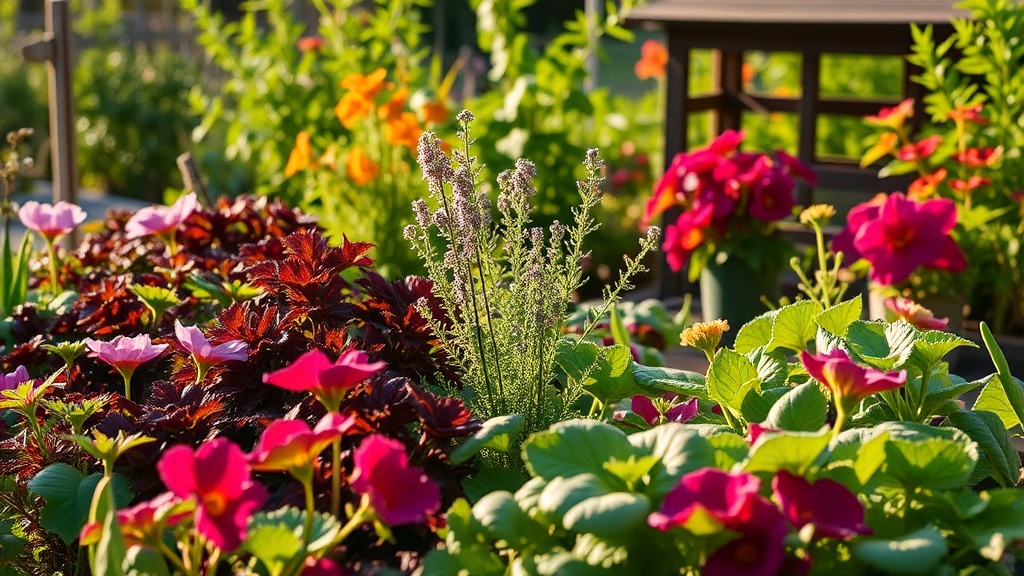
Fort St. John's Secret Garden: Growing Abundance in Our Northern Climate

Fort St. John's Secret Garden: Growing Abundance in Our Northern Climate
Here in the far north, we often hear about the challenges of a short growing season. Yet, did you know that gardens in northern climates can actually produce vegetables that are not only larger but also significantly sweeter than their southern counterparts? It’s true. The phenomenon isn't some old wives' tale, but a scientific marvel: our extended daylight hours during summer act like a natural supercharger for plant growth. While the calendar might suggest a limited window, the constant sun—often over 18 hours a day in June and July—allows plants to photosynthesize almost continuously. This ‘double day’ effect means that a 100-day growing season here can pack in as much growing energy as 150 days further south! This guide isn’t about merely surviving in your Fort St. John garden; it’s about thriving, about unlocking the incredible potential that our unique climate offers for cultivating a bountiful harvest.
We'll walk you through practical strategies, from understanding our specific soil and weather patterns to selecting the right varieties that genuinely flourish here. Whether you’re a seasoned green thumb or just starting to dig into gardening, this post will equip you with the knowledge to make your Fort St. John garden not just productive, but extraordinarily abundant. Forget limitations—let’s talk about leveraging our northern advantages to grow bigger, sweeter, and more delicious food right in your backyard.
What Challenges Does Fort St. John's Climate Present for Aspiring Gardeners?
Gardening in Fort St. John comes with its own distinct set of hurdles, primarily defined by our geographical location and northern climate. The most obvious challenge is the short growing season. While the long daylight hours are a boon, the window between the last spring frost and the first autumn frost can be quite narrow, making careful planning absolutely vital. Late spring frosts in May or even early June aren’t uncommon, and an unexpected cold snap in August can abruptly end the season for tender plants. Beyond temperature, our soil conditions often present another consideration. Much of the Peace Region, including Fort St. John, can have heavy clay soils that are slow to warm in spring and can become compacted, hindering root development. Poor drainage can also be an issue in such soils, which is detrimental to many vegetable crops.
However, understanding these challenges is the first step toward overcoming them. Smart gardeners in Fort St. John have developed several effective strategies. Raised beds are practically a game-changer here. They allow the soil to warm up much faster in the spring, provide excellent drainage, and give you complete control over your soil composition. Filling them with a high-quality mix of topsoil, compost, and perhaps some sand can transform a difficult plot into a fertile haven. Soil testing is another non-negotiable step. Knowing your soil's pH and nutrient levels allows for targeted amendments, ensuring your plants get exactly what they need. Often, our northern soils benefit from significant organic matter additions, like well-rotted manure or homemade compost, which improve structure, drainage, and nutrient retention.
Season extension techniques are also incredibly powerful tools for our climate. Cold frames—simple bottomless boxes with clear tops—can extend your planting season by several weeks on either end, providing a warm microclimate for young seedlings. Row covers, made of lightweight fabric, protect against light frosts, wind, and even some pests, while still allowing light and water through. For the truly dedicated, a small greenhouse, even an unheated one, can make an enormous difference, allowing for earlier starts and much later harvests, especially for heat-loving crops that typically struggle here.
Which Crops Really Flourish in a Fort St. John Garden?
Given our unique conditions, selecting the right plants is paramount to success. While you might dream of sprawling tomato vines and sun-ripened peppers, focusing on varieties bred for shorter seasons and cooler temperatures will yield far more satisfying results. Fortunately, many delicious and nutritious vegetables are perfectly suited to thrive in Fort St. John. Root crops are absolute champions here. Carrots, potatoes, beets, parsnips, and radishes love our cooler soil temperatures and benefit immensely from the long daylight hours, often growing to impressive sizes and developing exceptional sweetness. Imagine pulling up a beet that tastes like candy!
Leafy greens are another excellent choice. Spinach, kale, Swiss chard, and various types of lettuce can be planted early and harvested repeatedly throughout the season. They tolerate cooler weather well and often benefit from a little afternoon shade during the hottest parts of summer to prevent bolting. Brassicas—the cabbage family—also do very well. Cabbage, broccoli, cauliflower, and Brussels sprouts can withstand lighter frosts and mature beautifully, especially if given a strong start indoors. Look for varieties labeled as 'early maturing' or 'cold-hardy' when selecting seeds or starts.
When it comes to fruits, while our climate isn't ideal for peaches or grapes, we can absolutely grow a fantastic selection of berries. Strawberries, raspberries, saskatoons, and hardy currants are all excellent choices. Rhubarb is another northern staple that thrives with minimal fuss, providing abundant stalks for pies, crumbles, and preserves. Starting seeds indoors is almost a necessity for many crops in Fort St. John. Tomatoes, peppers, and cucumbers, if you choose to grow them, need a significant head start. Begin these seeds indoors under grow lights 6-8 weeks before your anticipated last frost date, ensuring they are sturdy and well-established before transplanting outdoors. Even many greens and brassicas benefit from an indoor start, allowing them to get a jump on the season and produce earlier harvests. Consider local nurseries for plant starts, as they often stock varieties specifically chosen for our region’s climate, saving you the guesswork.
How Can You Safeguard Your Fort St. John Harvest from Pests and Sudden Cold Snaps?
Even with careful planning and plant selection, Fort St. John gardens are not entirely immune to nature’s whims—namely, pests and unpredictable weather. Effective pest management in a northern climate often leans heavily on organic and preventative measures, as our harsh winters naturally reduce many pest populations. Companion planting is a powerful strategy: planting certain herbs or flowers alongside your vegetables can deter pests or attract beneficial insects that prey on unwanted visitors. For instance, marigolds are known to repel nematodes and other ground pests, while dill and cilantro can attract ladybugs and hoverflies, natural enemies of aphids. Physical barriers like row covers, as mentioned earlier, aren't just for frost; they also create an effective shield against cabbage moths, flea beetles, and other flying insects.
Regular garden inspection is perhaps the simplest yet most effective pest control method. Catching an infestation early, when it’s just a few bugs, means you can often hand-pick them off or use a strong spray of water to dislodge them. For more persistent issues, insecticidal soaps or neem oil are organic options that can be effective without harming beneficial insects or the environment. Remember, a healthy plant is more resilient to pest attacks, so focusing on good soil and proper watering goes a long way in prevention.
Protecting your harvest from early or late frosts is an ongoing concern in Fort St. John. Monitoring local weather forecasts becomes second nature for any northern gardener. When a frost warning is issued, immediate action can save your tender crops. Covering plants with blankets, burlap, or dedicated frost cloths in the late afternoon will trap ground heat and protect foliage. For smaller plants, upturned buckets or milk jugs can work wonders. Ensure the covers extend to the ground to keep warm air in. Watering your garden thoroughly before a predicted frost can also help; moist soil holds heat better than dry soil, radiating warmth throughout the night. Consider planting your most sensitive crops in areas that naturally offer some protection, such as near a south-facing wall or under the eaves of your house, which can create a slightly warmer microclimate.
Efficient watering is also key, especially during dry spells that can occur even in our cooler summers. Drip irrigation or soaker hoses deliver water directly to the plant roots, minimizing evaporation and ensuring deep saturation. Mulching around your plants with straw, wood chips, or grass clippings not only conserves soil moisture but also suppresses weeds and helps regulate soil temperature. As the season progresses, knowing when to harvest is just as important as knowing when to plant. Root crops can often be left in the ground until just before a hard freeze, improving their sweetness. Many greens can withstand light frosts, which can even enhance their flavour. For crops like tomatoes or squash that haven’t fully ripened before a hard frost, you can often pick them and allow them to mature indoors. Gardening in Fort St. John is a testament to resilience and ingenuity. By embracing these strategies, you’re not just growing food; you’re cultivating a deeper connection to our land and its unique rhythm, reaping the delicious rewards of your northern efforts. For further reading on northern gardening, consider resources from