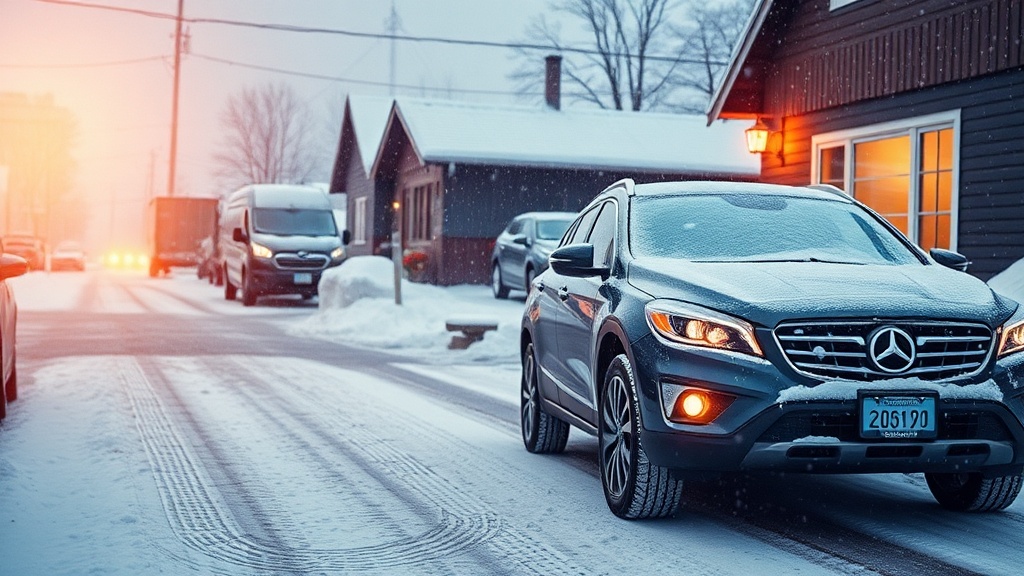
How to Winterize Your Home and Vehicle for Fort St. John's Extreme Cold

Fort St. John winters don't mess around — temperatures regularly plunge below -30°C, and the wind coming off the Peace River makes it feel even colder. This guide covers everything Fort St. John homeowners and drivers need to know to protect their property, stay safe on icy roads, and avoid costly mid-winter emergencies. Whether you're new to the Peace Region or a longtime resident looking for a refresher, these steps will save you money and headaches when the deep freeze hits.
What Home Winterization Steps Do Fort St. John Residents Need First?
Start with your home's envelope — the foundation, walls, roof, and openings that separate you from the elements. Fort St. John's freeze-thaw cycles (especially during chinooks) create unique challenges that southern Albertans don't face.
Seal the Gaps Before December
Walk around your property with a candle on a windy day. Hold it near windows, doors, and electrical outlets — the flame will flicker where cold air sneaks in. (Sounds old-school, but it works.) Fort St. John homes, especially older ones in the original townsite near 100th Street, often have gaps around foundation plates and rim joists.
Use Great Stuff Gaps & Cracks Insulating Foam Sealant for larger openings — the stuff expands to fill voids around pipes and vents. For windows, 3M Interior Window Insulator Kits cost about $15 and can reduce heat loss through single-pane glass by up to 70%. Apply the film to the interior frame, then shrink it tight with a hair dryer.
Protect Your Pipes
Fort St. John's municipal water comes from the Peace River — and when pipes freeze here, they freeze hard. Insulate exposed pipes in unheated areas like crawl spaces, garages, and that utility room above the detached garage that so many homes on the south side have.
Leave cabinet doors open under sinks during extreme cold snaps. Let faucets drip when temperatures hit -25°C or lower — moving water freezes slower than still water. If you're heading to Grande Prairie or Dawson Creek for the weekend, keep your thermostat at 15°C minimum. The heating bill beats a burst pipe and flooded basement.
Check Your Heating System
Schedule a furnace inspection with a local HVAC company — Northern Refrigeration & Heating or ACE Solutions both service Fort St. John. Replace your filter monthly during heating season. Peace Region dust is fine and clogs filters faster than you'd expect.
If you heat with a wood stove (common in rural properties around Charlie Lake and Baldonnel), get your chimney swept by a WETT-certified technician. Creosote buildup combined with Fort St. John's temperature inversions can create dangerous conditions. Stock up on seasoned firewood now — don't wait until January when everyone's scrambling.
How Should You Prepare Your Vehicle for Fort St. John Winter Driving?
Winter vehicle prep here isn't optional — it's survival. Highway 97 north to the Yukon and the Alaska Highway see brutal conditions, and even commuting across town on 100th Avenue can turn hazardous when the wind picks up.
Switch to Winter Tires Early
All-season tires harden like plastic below 7°C. In Fort St. John, that's September through April. Winter tires use softer rubber compounds that stay flexible in extreme cold — and the tread patterns handle packed snow and ice far better.
Local shops like Kal Tire on 96th Street or Integra Tire on 100th Street can swap your tires and store your off-season set. Budget $800-1200 for a quality set of Michelin X-Ice Snow or Nokian Hakkapeliitta R3 tires. (Yes, they're expensive. So is sliding into the ditch on the Alaska Highway.)
| Winter Prep Item | When to Do It | Approximate Cost | Local Option |
|---|---|---|---|
| Winter tire swap | October 1st (before first snowfall) | $60-100 swap + storage | Kal Tire, Integra Tire |
| Battery test | Late September | Free test; $150-300 if replacement needed | PartSource, Canadian Tire |
| Block heater inspection | Early October | $30-80 cord replacement | Any local mechanic |
| Winter wiper blades | October | $40-60 pair | Walmart, PartSource |
| Emergency kit assembly | Before first trip | $100-200 | Canadian Tire, Home Hardware |
Battery and Electrical System
Cold weather kills weak batteries. Fort St. John's extreme temperatures — especially those February mornings when it's -35°C — expose any weakness in your starting system. Have your battery tested at PartSource on 100th Street (they do it free). If it's more than three years old, consider replacing it before winter.
Check your block heater cord for cracks or corrosion. A working block heater can mean the difference between your truck starting at -40°C or sitting dead in the driveway. Plug in when temperatures drop below -15°C — your engine will thank you, and you'll have heat faster.
Build a Serious Emergency Kit
Highway 97 between Fort St. John and Chetwynd closes several times each winter due to accidents and weather. If you're traveling outside town, pack for the possibility of being stranded.
- Blankets or sleeping bag — the foil emergency blankets are better than nothing, but a real sleeping bag could save your life
- Candles and matches — a single candle can raise the temperature inside a vehicle by several degrees
- High-energy food — protein bars, chocolate, nuts (replace annually)
- Flashlight with extra batteries — LED headlamps from Princess Auto work well
- Shovel, traction mats, and tow strap — the folding military-style shovels store easily
- First aid kit — upgrade the basic one with hand warmers and emergency poncho
- Phone charger — keep a charged power bank in the glove box
Tell someone your route and expected arrival time before heading out. The Peace Region is vast and cell coverage spotty outside town.
What Are the Biggest Winter Mistakes Fort St. John Homeowners Make?
Experience teaches hard lessons here. Avoid these common errors that leave residents cold, stranded, or facing repair bills.
Ignoring the Attic
Ice dams — those thick ridges of ice that form at roof edges — happen when heat escapes through poorly insulated attics and melts snow, which then refreezes at the cold eaves. Fort St. John's heavy snow loads make this worse. Check your attic insulation depth — you want at least R-50 in our climate (about 15 inches of blown fiberglass). The catch? Adding insulation to an existing home costs $1,500-3,000, but prevents thousands in water damage.
Waiting Too Long for Vehicle Prep
The first serious snowfall in Fort St. John usually hits by late October. Everyone rushes to Kal Tire at once, and wait times stretch to two weeks. Book your tire swap in September. Same goes for furnace service — HVAC companies get slammed the first time temperatures drop below -20°C.
Neglecting Exterior Water Sources
Shut off and drain exterior faucets by mid-October. Disconnect hoses — trapped water expands and cracks pipes. If you have a sprinkler system, blow it out completely. The City of Fort St. John water mains run deep enough to avoid freezing, but your private lines don't have that protection.
Here's the thing — that outdoor hot tub you love in summer? Winterizing it properly means more than just putting on the cover. If you're not using it through winter, drain it completely, including the lines. Frozen pumps and heaters are expensive paperweights.
Underestimating Travel Risks
Fort St. John sits at the junction of several major highways, and residents often assume winter driving experience elsewhere transfers here. It doesn't. The Peace River Valley creates unique wind patterns that drift snow across roads in minutes. A clear highway can become impassable during your coffee break.
Check DriveBC before any highway trip — they update conditions in real-time. The website shows webcams, road temperatures, and closure information. Worth noting: conditions can change faster than the website updates, so use your judgment when the weather turns.
Forgetting About Humidity
Cold air holds less moisture — and Fort St. John's winter air is desert-dry. Static electricity, dry skin, and cracked wood furniture signal humidity below 30%. A whole-house humidifier attached to your furnace maintains 35-45% humidity, which feels warmer at lower temperatures (letting you turn the thermostat down a degree or two).
Portable humidifiers work for single rooms, but they're high-maintenance — clean them weekly or they become mold factories. If you see condensation forming on windows, you're running humidity too high — that moisture causes mold and rot.
Overlooking the Little Things
Stock up on ice melt before the first freeze — Home Hardware on 100th Street usually has Ice Melt Extreme in stock through fall. Keep a bag in your vehicle trunk for traction if you get stuck. (Kitty litter works too, but it's messier.)
Replace your windshield wiper fluid with -40°C rated stuff — the summer blend freezes in the lines and cracks reservoirs. Switch to winter wiper blades that don't ice up. And carry a scraper with a brush, plus a long-handled one for the roof — driving with snow on top is illegal and dangerous (it slides onto your windshield when you brake).
Fort St. John winters demand respect, not fear. Prepare in October, maintain through the season, and you'll weather the cold just fine. The community here looks out for each other — neighbors check on neighbors, and stranded motorists rarely wait long for help. That said, self-reliance goes a long way when the mercury drops and the wind howls off the Peace.
Steps
- 1
Prepare Your Vehicle's Battery and Fluids for Sub-Zero Temperatures
- 2
Winterize Your Home's Pipes and Insulation
- 3
Assemble an Emergency Kit for Roadside and Home Emergencies