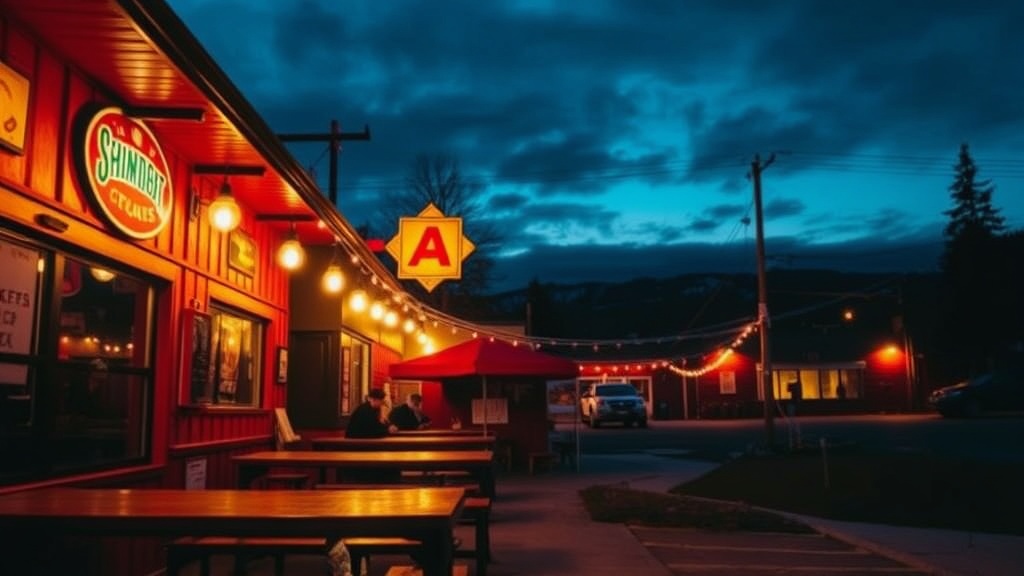
Where Do Fort St. John Locals Actually Hang Out? Community Spots Worth Knowing

There's a persistent myth that Fort St. John is just a drive-through town — a pit stop on the way to somewhere else, a place where people work in the resource sector and retreat to their homes without building real community ties. That perception couldn't be further from the truth. Our city has quietly developed gathering spaces, neighbourhood hubs, and community corners where locals actually connect, share stories, and build the kind of relationships that make small-city living worthwhile. This isn't about tourist attractions or Instagram-worthy spots — it's about the real places where Fort St. John residents spend their time, form friendships, and participate in community life.
What Are the Best Community Gathering Spaces in Fort St. John?
The Fort St. John Public Library on 100th Street serves as far more than a book repository — it's genuinely one of our community's living rooms. Walk through on any weekday afternoon and you'll find seniors reading newspapers in comfortable chairs, students clustered around study tables, and parents handling the children's section with toddlers in tow. The library hosts regular programming that draws consistent crowds: author readings, technology workshops, and children's story hours that have become weekly rituals for Fort St. John families. Unlike libraries in larger cities that can feel institutional, ours maintains a warmth that encourages lingering. The staff know regulars by name, and the community bulletin board remains surprisingly relevant — not cluttered with outdated flyers, but actively used for local announcements, lost pets, and small business promotions.
The North Peace Cultural Centre represents another genuine community hub that locals actually use rather than tourists occasionally photograph. Beyond the professional performances that draw regional audiences, the centre's rehearsal spaces, meeting rooms, and gallery areas serve working artists and community groups throughout Fort St. John. Local theatre productions, dance recitals, and music lessons happen here year-round — not just during the busy fall and winter seasons. For residents seeking creative community, the cultural centre provides infrastructure that supports actual participation rather than passive consumption. The North Peace Cultural Centre website maintains current programming that's worth checking regularly, as new community classes and events get added frequently.
Where Do Fort St. John Neighbours Actually Meet Each Other?
Beatton Park and the surrounding trail system function as Fort St. John's unofficial community living room during the warmer months. This isn't manicured parkland designed for passive observation — it's actively used space where dog walkers establish daily routes that inevitably lead to repeated encounters and eventual friendships, where parents supervise children on playground equipment while swapping recommendations about local services, and where running groups gather before dawn during summer months. The park's location adjacent to residential neighbourhoods in the northeast part of Fort St. John makes it genuinely walkable for significant portions of our community, which explains its consistent use patterns.
What makes Beatton Park particularly valuable is its year-round utility. Winter transforms the trails into cross-country skiing routes and snowshoeing paths that maintain community connection even during our coldest months. The outdoor rink — when weather permits — creates informal gathering opportunities that feel increasingly rare in an era of scheduled, structured activities. Locals know that showing up at Beatton Park on a clear Saturday morning virtually guarantees running into neighbours, making it one of Fort St. John's most reliable community connection points.
The Fort St. John Curling Club operates as another genuine community institution — one that occasionally gets overlooked by newer residents who haven't yet discovered how deeply woven it is into local social fabric. Beyond the competitive leagues that draw dedicated curlers, the club's social memberships and learn-to-curl programs create low-pressure entry points for newcomers seeking community connection. The lounge area functions as a gathering space that transcends the sport itself, hosting community meetings, fundraising events, and informal socializing that strengthens neighbourhood ties across Fort St. John.
Which Local Organizations Actually Build Community in Fort St. John?
The Fort St. John Women's Resource Society operates community programming that extends far beyond their formal advocacy work. Their support groups, educational workshops, and community kitchen programs create consistent gathering opportunities for residents seeking connection and practical assistance. What distinguishes this organization is its rootedness in actual Fort St. John needs rather than imported programming models — the services respond to specific gaps our community has identified through years of operation. For residents new to Fort St. John or handling difficult transitions, the Women's Resource Society often serves as an entry point into broader community connection.
Sports organizations throughout Fort St. John — from minor hockey to soccer clubs to the rodeo association — function as community infrastructure even for families without direct athletic participation. The volunteer networks that sustain these organizations create interlocking social connections that span neighbourhoods and demographics. Parents who initially connect through children's sports often develop friendships that extend well beyond the season, creating community ties that persist as families move through different life stages. The City of Fort St. John recreation programs provide the organizational backbone that supports much of this activity, maintaining facilities and registration systems that keep community sports accessible.
The Fort St. John Hospital Foundation and associated volunteer networks represent another significant community connection point. Hospital auxiliaries and fundraising committees draw residents into purposeful activity that directly supports local healthcare infrastructure. These volunteer opportunities attract people motivated by practical community contribution rather than social networking — which, paradoxically, often creates more genuine and lasting social connections than explicitly social programming. Working alongside neighbours on shared projects reveals character and builds trust in ways that casual socializing rarely accomplishes.
How Do Fort St. John Locals Stay Connected During Our Long Winters?
Winter community life in Fort St. John requires more intentional effort than summer gathering — but the connections formed during our cold months often prove more durable precisely because they require commitment. The Pomeroy Sport Centre transforms into a genuine community hub when outdoor activity becomes impractical. The walking track — free and accessible during public hours — draws consistent crowds of seniors and active adults who maintain fitness and social connection simultaneously. Observation of the track regulars reveals an informal community: people who walk at the same times daily, who notice absences and check in on neighbours, who share news and recommendations during their laps.
Community leagues and neighbourhood associations throughout Fort St. John become more active during winter months, organizing indoor events that maintain neighbourly contact when casual outdoor encounters become rare. The Matthews Park neighbourhood association, the Finch area community league, and similar organizations in other parts of Fort St. John host potlucks, holiday events, and meeting programming that prevents winter isolation. These organizations vary significantly in their activity levels — some maintain strong programming while others operate more sporadically — but the active ones provide genuine community infrastructure worth seeking out.
Faith communities throughout Fort St. John continue serving as significant gathering points during winter, with many congregations expanding programming to address seasonal isolation. Even for residents without religious affiliation, some churches and spiritual communities offer community meals, discussion groups, and service opportunities that function as broadly accessible gathering spaces. The United Way Northern British Columbia Fort St. John office coordinates volunteer opportunities and community programming that connects residents regardless of their religious background or beliefs.
What About Casual Community Connection in Fort St. John?
Beyond organized programming and formal community institutions, Fort St. John maintains the kind of informal public life that increasingly disappears from larger cities. The coffee shop culture along 100th Avenue — particularly spots like the Bagel Shop and other long-established local businesses — creates consistent opportunities for incidental community contact. Regular customers develop routines that overlap with other regulars, creating low-pressure social connection without requiring explicit community participation. The servers know orders; the customers know each other by sight if not by name; and the cumulative effect is genuine community fabric woven through repeated daily encounters.
Retail establishments in Fort St. John — particularly hardware stores, garden centres, and sporting goods shops — often function similarly, with staff who maintain long-term relationships with regular customers and provide advice that goes beyond transactional assistance. This isn't nostalgia for small-town commerce; it's a practical reality of Fort St. John retail that newer residents sometimes take time to recognize. The person helping you select winter tires might also coach your child's soccer team, serve on a local board, or live three blocks away — the interconnectedness creates accountability and care that benefits the entire community.
Our community's size — large enough to support genuine amenities and services, small enough that social circles inevitably overlap — creates conditions for meaningful connection that residents of larger cities often struggle to replicate. Fort St. John isn't a place where community happens despite the challenges of northern living; it's a place where community thrives precisely because our circumstances require mutual support and shared effort. The gathering spaces documented here aren't exhaustive — they're starting points for residents seeking to participate more fully in community life, to move from living in Fort St. John to genuinely belonging here.